“000 tons” search results (400)
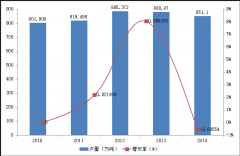
China is expected to become the most potential coffee consumer in the world.
Coffee, as a traditional western drink, has a long history and cultural heritage. The world consumes at least 400 billion cups of coffee every year, and the current annual global coffee consumption is about 10 million tons. Coffee is the first of the three largest drinks in the world, and it is also the second largest trading commodity in the world after oil. Shanpu consulting industry analyst pointed out that the world coffee consumption is about one year larger than cocoa and tea.
2015-07-23 China is expected to become the world with the most potential coffee consumption big country coffee.
Citrus flavor Ethiopian coffee grind characteristics Variety flavor description
In Ethiopia, coffee classification and quality control systems are divided into producer, regional and national levels. All coffees are inspected by local inspection agencies before they leave the country of origin, and then re-inspected at coffee inspection and grading centres in Addis and Diredova to determine their quality grade. Coffee is graded prior to auction and sale, and all participants in production, acquisition,
2016-10-09 Citrus Ethiopian Coffee Ground Characteristics Variety Region Flavor Description
Vietnam fine coffee beans Vietnam cat shit coffee?
According to the statistics of Vietnam Coffee Association, in 2000-2001 (from October 2000 to September 2001), Vietnam exported 874676 tons of coffee from 149 enterprises, among which the three largest exporters were OLAM Company (foreign-owned enterprise, 21326 tons), DAKMAN Company (joint venture, 18076 tons) and Vinafimex Company (local enterprise, 13719 tons). Vietnamese coffee
2016-07-04 vietnam boutique coffee beans cat poop coffee association business statistics
Angola Coffee Bean Price Flavor Description Grind Treatment Growing Environment Introduction
In the 1970s, commercial coffee production in Angola was about 180,000 tons per year. Uige Province coffee cultivation area of 161,000 hectares, annual output of 99,550 tons, is the largest coffee cultivation
2016-10-15 Angola Coffee beans Price Flavor Description Grinding Processing Planting Environment Yield
Ethiopian fine coffee with intense nutty aromas Taste Introduction
Coffee is Ethiopia's most important export cash crop and the main source of foreign exchange earnings. Ethiopia's coffee exports account for about 3% of the world market share, making it the eighth largest coffee exporter in the world. Coffee exports increased steadily from 58,000 tons in 1990-1991 to 110,000 tons in 1995 - 1996 and remained at that level for the next few years. 2001 - 2002
2016-07-19 rich nutty aroma ethiopia fine coffee flavor taste presentation
Ethiopian coffee plantation flavor taste introduction Ethiopian coffee characteristics
35% of coffee is courtyard coffee. In this coffee garden, the planting is three-dimensional distribution. Coffee sits in the lower layers, in the shade of other crops, to get the right environment to grow. Fertilizer is mainly deciduous, withered grass and animal manure. 5% of coffee is plantation coffee. This is a modern way of growing coffee. Coffee is grown in forests, but new varieties are used and mixed with other trees.
2016-08-04 Ethiopia Coffee Manor Region Flavor Taste Introduction Characteristics 35%
Ethiopian Coffee Flavor description Grinding degree treatment Variety characteristics of Fine Coffee introduction
Ethiopia's coffee grading and quality control system has two main indicators: visual inspection and cup evaluation, including the color, cleanliness, origin, taste and characteristics of coffee beans. The export rating is marked by simple numbers, with the best washed coffee at level 5 and the best sun-cured coffee at level 4. After grading, mark the place of origin and then export. Usually the export is paid by letter of credit.
2016-10-12 Ethiopia coffee flavor description grinding processing varieties characteristics boutique
Chinese Coffee Development Coffee drinking Chinese
No matter what kind of coffee, freshness is an important factor affecting the quality. When choosing and buying, grab one or two coffee beans and chew them in your mouth. If there is a clear sound, it means that the coffee beans are not damp, while the coffee beans with fragrant lips and teeth are the top grade, but it is best to pinch them with your hands and feel whether they are solid or not. Never buy empty-shell coffee. Freshly fried coffee beans are not suitable for immediate consumption.
2016-06-06 China Coffee Development Chinese
Ethiopian Coffee Flavor introduces the characteristics of Ethiopian Coffee
35% of the coffee is courtyard coffee. In this kind of coffee garden, the planting is three-dimensional. Coffee is located in the lower layer and gets a suitable growth environment in the shade of other crops. Fertilizers are mainly fallen leaves, withered grass and animal manure. 5% of the coffee belongs to plantation coffee. This is a modern way of growing coffee, which is also grown in forests, but uses new varieties and works with others.
2016-07-26 Ethiopia coffee flavor introduction characteristics variety 35% belongs to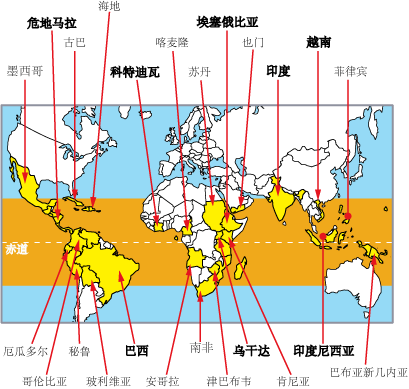
Vietnamese coffee is characterized by Japanese investment in Vietnamese coffee and French flavor.
Vietnam is a big producer today and a giant of tomorrow. Perhaps under the influence of French colonial rule, coffee grown in Vietnam has a French flavor. Arabica coffee was first brought to Vietnam by French missionaries. More than 400,000 coffee trees were introduced to Vietnam from 1865 to 1876 and were planted near Tonkin Bay, mostly Java or bourbon varieties. At present, the output of coffee in Vietnam is
2016-04-11 Vietnam coffee
The unique aroma of Ethiopian Sidama Coffee Estate Introduction Ted Estate
Coffee is Ethiopia's most important export cash crop and the main source of foreign exchange earnings. Ethiopia's coffee exports account for about 3% of the world market share, making it the eighth largest coffee exporter in the world. Coffee exports increased steadily from 58,000 tons in 1990-1991 to 110,000 tons in 1995 - 1996 and remained at that level for the next few years. 2001 - 2002
2016-08-06 unique fragrant ethiopian Dharma coffee estate appellation presentation Ted
Yemeni coffee features Yemeni coffee flavor
Coffee has been a traditional export product of Yemen for hundreds of years, and it is still one of the most important cash crops and export products of Yemen. Statistics show that among the top 30 exports of Yemen in 2000, cooked coffee beans, raw coffee beans and coffee shells ranked second, eighth and 21st respectively, with a total value of about $17.5 million, of which raw coffee was about $12.25 million.
2016-08-31 Yemeni coffee specialty flavor hundreds of years has always been Yemen tradition
Yunnan coffee price replay "roller coaster" to seek pricing discourse is the foundation to break through.
As one of the main coffee producing areas in the world, the price of coffee in Yunnan is restricted by foreign markets and has no say in pricing. Experts believe that for growers and the industry as a whole, it is ultimately necessary to resist various risks through financial means and seek long-term development.
2014-06-04 Coffee news Yunnan coffee coffee price
What are the coffee beans in Ethiopia's export single-product coffee market About African Coffee
Coffee is Ethiopia's most important export cash crop and the main source of foreign exchange earnings. Ethiopia's coffee exports account for about 3% of the world market share, making it the eighth largest coffee exporter in the world. Coffee exports increased steadily from 58,000 tons in 1990-1991 to 110,000 tons in 1995 - 1996 and remained at that level for the next few years. 2
2016-04-28 Ethiopia exports single-item coffee market which coffee beans about Africa
"unsalable" Pu'er coffee beans
In April, the Yunnan coffee industry, which was shrouded by rumors of "unsalable coffee beans", once caused panic among farmers and the industry. However, statistics by the end of April showed that there were only 3000-4000 tons of Pu'er left in the main producing areas, including some coffee beans of poor quality.
2014-05-30 Coffee beans Pu'er unsalable
Introduction to the characteristics of Ethiopian Coffee Flavor Manor with acidity and texture
5% of the coffee belongs to plantation coffee. This is a modern way of growing. Coffee is also grown in a forest, but new varieties are used and planted in rows with other shade trees. Due to different processing methods, coffee can be divided into washed coffee (Washed coffee) and sun-cured coffee (Sun-dried coffee). Washed coffee accounts for 35% of exports. Of good quality
2016-08-05 Acidity texture Ethiopia coffee flavor taste manor producing area characteristics
Yunnan Coffee Special Train shortens the sales cycle of direct orders to Europe
Recently, the Yuxin European freight train opened a special coffee train for the first time. Yunnan Coffee runs directly from Chongqing to Duisburg, Germany, which takes about 14 days, which is about 2/3 less time than the traditional shipping method. This will change Yunnan's relatively closed trade situation in the hinterland of the southwest, participate in the world economic cycle with coffee and integrate into Belt and Road Initiative's strategy. Hu Lubiao, Deputy Secretary-General of Yunnan Coffee Industry Association
2016-09-24 Yunnan coffee special train by way direct Europe order sales cycle shortening
Yemeni Coffee-the vanishing Arab Wild
Although Ethiopia is the birthplace of Arabica, the first coffee that Europeans drank from the end of the 17th century to the beginning of the 18th century came from Yemen. At that time, all African or Arabian coffee was exported from the port of Mocha, so that Mocha became synonymous with coffee, while Harald, the capital of the city walls, became a supporting role. However, three hundred years later, Yemeni coffee is no longer what it used to be.
2015-10-22 Yemen coffee vanishing medium Arab wild Ethiopia though rabbi
Introduction to the Flavor description Price of Tanzania's Fine Coffee beans
The national average annual output of wheat is 70, 000 tons, and the largest wheat production unit is the HANNANG wheat complex, which is composed of several farms with a total planting area of 4000 hectares. These farms are located in the Hannang district of Arusha and are all autonomous subsidiaries of NAFCO. In the 1970s, NAFCO developed and operated these farms with the help of the Canadian International Development Agency (CIDA)
2016-09-20 Tanzania boutique coffee beans flavor description price variety introduction national
Brazil's COCAPEC predicts that coffee production by its members will fall by half in 2015
COCAPEC said the decline in coffee was mainly due to severe drought and the superposition of coffee production in a small year. The output of coffee trees has a cycle every two years, with high yield in one year and low yield the next year. The COCAPEC Coffee Cooperative, which has 2200 farmers, is expected to produce about 1 million bags (60, 000 tons) in 2015, down by half from 2 million bags (120000 tons) last year. COCAPEC Cafe
2015-04-07 Brazil COCAPEC Forecast member 2015 Coffee output next